Call us now :08045800786
 Send Inquiry
 Send Inquiry
Hydrolyzed Oat Protein
Price 2600.0 INR/ Liter
MOQ : 1 Liter
Hydrolyzed Oat Protein Specification
- Effect
- Adds softness, repairs, improves manageability
- Origin
- Indian
- Efficacy
- Other
- Chemical Composition
- Hydrolyzed oat peptides and amino acids
- Shelf Life
- 2 Years
- Ph Level
- 4.5 - 5.5
- Strength
- High protein content
- Brand Name
- James wild herbs
- Best Before
- 2 Years
- Medicine Type
- Cosmetic
- Purity
- 98% minimum
- Flavor
- Characteristic mild, plant-like scent
- Ingredients
- Hydrolyzed Oat Protein
- Sub Ingredients
- Oat (Avena sativa) protein
- Function
- Other
- Dosage
- 1-5% in formulations
- Dosage Guidelines
- Other
- Dosage Form
- Liquid
- Storage Instructions
- Store in a cool, dry place in tightly closed container
- Packaging Size
- 1 kg, 5 kg, 25 kg drums
- Packaging Type
- HDPE container or drum
- Molecular Weight
- 250-700 Da (average)
- Solubility
- Soluble in water
- Appearance
- Clear to pale yellow liquid
- Microbial Limit
- <100 cfu/g
- Allergen Status
- Allergen-free
- Usage
- Shampoos, conditioners, creams, lotions, serums
- Biodegradability
- Readily biodegradable
- Heavy Metals
- <10 ppm
- HS Code
- 3504.00
- Application
- Hair care, skin care, bath formulations
Hydrolyzed Oat Protein Trade Information
- Minimum Order Quantity
- 1 Liter
- Supply Ability
- 1 Liter Per Day
- Delivery Time
- 1 Days
- Sample Available
- No
- Sample Policy
- If order is confirmed we will reimburse the sample cost
- Packaging Details
- 30 litre
- Main Export Market(s)
- Australia, Central America, Asia, North America, South America, Eastern Europe, Western Europe, Middle East, Africa
- Main Domestic Market
- All India
About Hydrolyzed Oat Protein
Hydrolyzed oats (or hydrolyzed oat protein; the names seem to be used interchangeably) is a liquid made from oat protein that has been modified to be water-soluble. Why do we use it in formulations? No, but it is a good starter hydrolyzed protein. Excellent moisture retention with improved skin feel.Versatile Application in Personal Care
Hydrolyzed Oat Protein seamlessly integrates into a range of personal care products, including shampoos, conditioners, serums, creams, bath formulations, and lotions. Its high protein content and mild, characteristic scent make it a favored cosmetic ingredient for manufacturers and formulators seeking to deliver superior performance and sensory appeal in hair and skincare lines.
Superior Safety and Quality Standards
Rigorously tested, Hydrolyzed Oat Protein boasts allergen-free status and maintains microbial limits of less than 100 cfu/g, alongside heavy metal content under 10 ppm. Its purity, at a minimum of 98%, ensures consistent quality and safety for both end users and manufacturers. The ingredient is provided in secure, HDPE containers or drums, in packaging sizes of 1 kg, 5 kg, or 25 kg.
Environmentally Responsible Ingredient
This ingredient aligns with sustainability trends in cosmetics, as Hydrolyzed Oat Protein is readily biodegradable and supports environmentally conscious formulation. Oat protein-derived peptides and amino acids deliver efficacy while respecting ecological considerations, making it a responsible choice for both manufacturers and eco-minded consumers.
FAQ's of Hydrolyzed Oat Protein:
Q: How should Hydrolyzed Oat Protein be incorporated into formulations?
A: Hydrolyzed Oat Protein should be added during the cool-down phase of your formulation process, once the temperature is below 40C to prevent degradation. It is typically used at a dosage rate of 1-5% depending on the desired effect in shampoos, conditioners, creams, lotions, or serums.Q: What are the main benefits of using Hydrolyzed Oat Protein in hair and skincare products?
A: This ingredient improves hair elasticity, adds softness, boosts manageability, and provides effective conditioning and moisturization. In skin care, it acts as a nourishing agent, helping to retain skin hydration and supporting overall skin health.Q: When is the best stage to add Hydrolyzed Oat Protein during production?
A: To maintain the protein's efficacy, it is best to incorporate Hydrolyzed Oat Protein into your formulation during the cool-down phase, after heating and emulsification steps are complete.Q: Where should Hydrolyzed Oat Protein be stored?
A: Hydrolyzed Oat Protein should be stored in a tightly closed HDPE container or drum, in a cool, dry place to maintain its quality and shelf life. Avoid exposure to direct sunlight and high temperatures.Q: What makes Hydrolyzed Oat Protein a safe ingredient choice?
A: It is allergen-free, meets strict microbial (<100 cfu/g) and heavy metal (<10 ppm) standards, and is manufactured to ensure a minimum 98% purity. These features ensure its safety for a wide range of users, including those with sensitive skin.Q: Is Hydrolyzed Oat Protein environmentally friendly?
A: Yes, Hydrolyzed Oat Protein is readily biodegradable, making it suitable for environmentally responsible formulations and aligning with sustainable product development goals.Q: What is the shelf life and recommended packaging for Hydrolyzed Oat Protein?
A: Hydrolyzed Oat Protein has a shelf life of 24 months from manufacturing, provided it is stored properly in HDPE containers or drums with sizes available in 1 kg, 5 kg, or 25 kg options.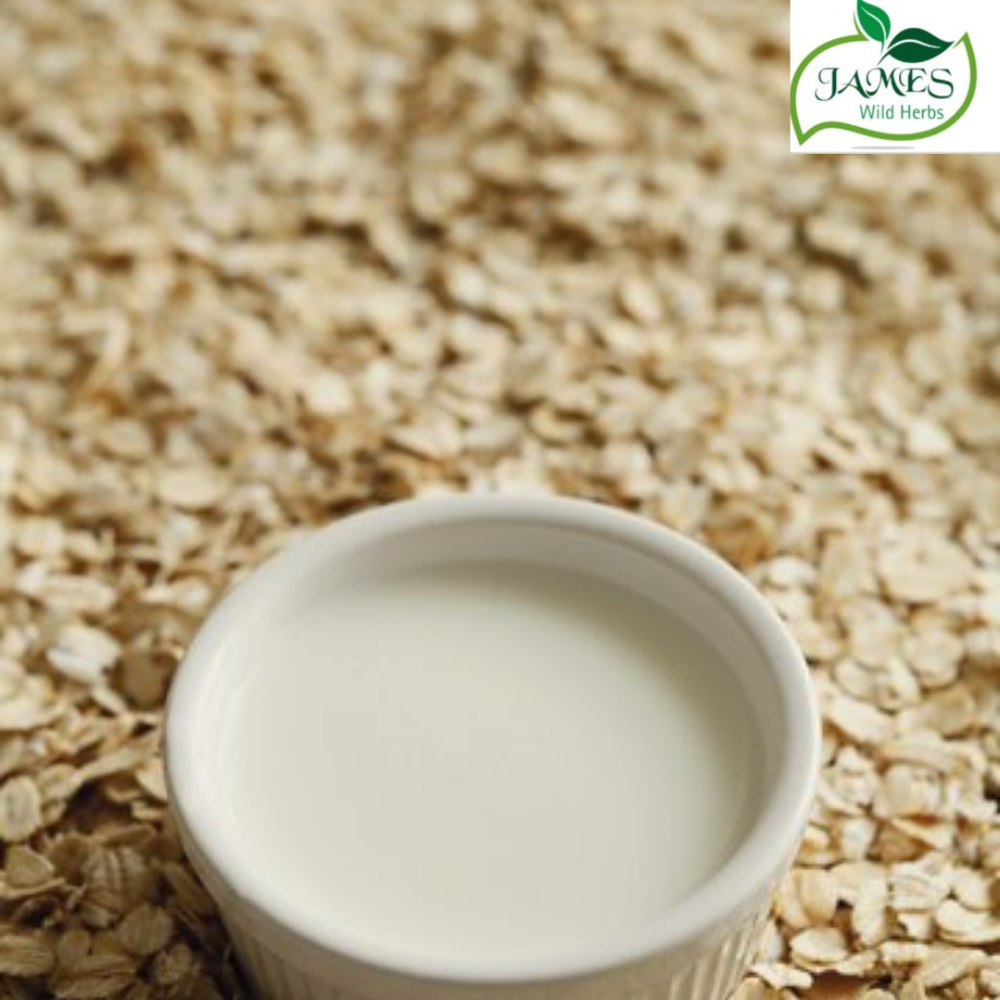
Tell us about your requirement

Price:
Quantity
Select Unit
- 50
- 100
- 200
- 250
- 500
- 1000+
Additional detail
Mobile number
Email

More Products in Hydrolyzed Protein Category
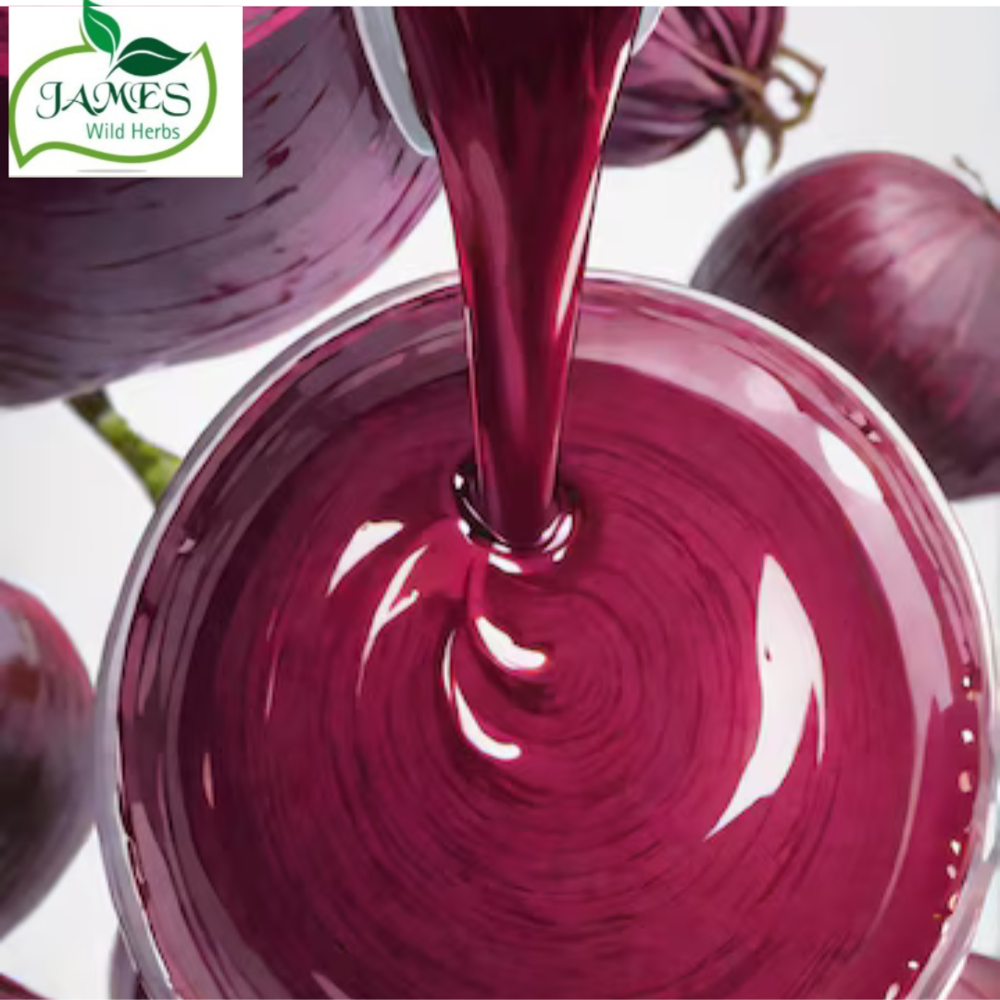
Hydrolyzed Beet Protein
Price 4500.0 INR / Liter
Minimum Order Quantity : 1 Liter
Packaging Type : HDPE Drum, Jerry Can
Packaging Size : 1 kg, 5 kg, 25 kg
Best Before : 2 Years
Effect : Provides moisture, enhances texture
Hydrolyzed Sesame Protein
Price 8400.0 INR / Liter
Minimum Order Quantity : 1 Liter
Packaging Type : Foil Pack / Jar
Packaging Size : 500g, 1kg
Best Before : 2 Years
Effect : Enhances nutritional profile
Hydrolyzed Rice Protein
Price 3200.00 INR / Kilograms
Minimum Order Quantity : 1 Kilograms
Packaging Type : HDPE Drum
Packaging Size : 25 Kg
Best Before : 24 Months from manufacturing
Effect : Improves strength & elasticity of hair and skin
Hydrolyzed Wheat Protein
Price 3100.0 INR / Liter
Minimum Order Quantity : 1 Liter
Packaging Type : Drum
Packaging Size : Available in 25kg, 50kg drums or customized sizes
Best Before : 24 months from packaging
Effect : Improves elasticity and strength of hair/skin

 Send Inquiry
Our Products
- Natural Dry Extract
- Herbal Extracts
- Cosmetic Butter
- Cold Press Oil
- Fragrances
- Natural Clay
- Dry Flowers Petals
- Natural Oil
- Cosmetic Oil
- Floral Waters
- Herbal Dry Extracts
- Hydrolyzed Protein
- Cosmetic Salts
- Natural Soap Base
- Plant Derivate Chemicals
- Natural Wax
- Dry Herbs
- Herbal Powder
- cold press oil
- herbal powder
- liquid colour
- soap base
- mica powder
- natural bases
- natural vitamin


1399, Ground Floor, Chowk Tilak Bazar,Delhi - 110006, India

Mr A. K. SHARMA
(Proprietor)
Mobile :08045800786
 Send Inquiry
 Send SMS
 Call Me Free
Developed and Managed by Infocom Network Private Limited.


