
Call us now :08045800786
 Send Inquiry
 Send Inquiry
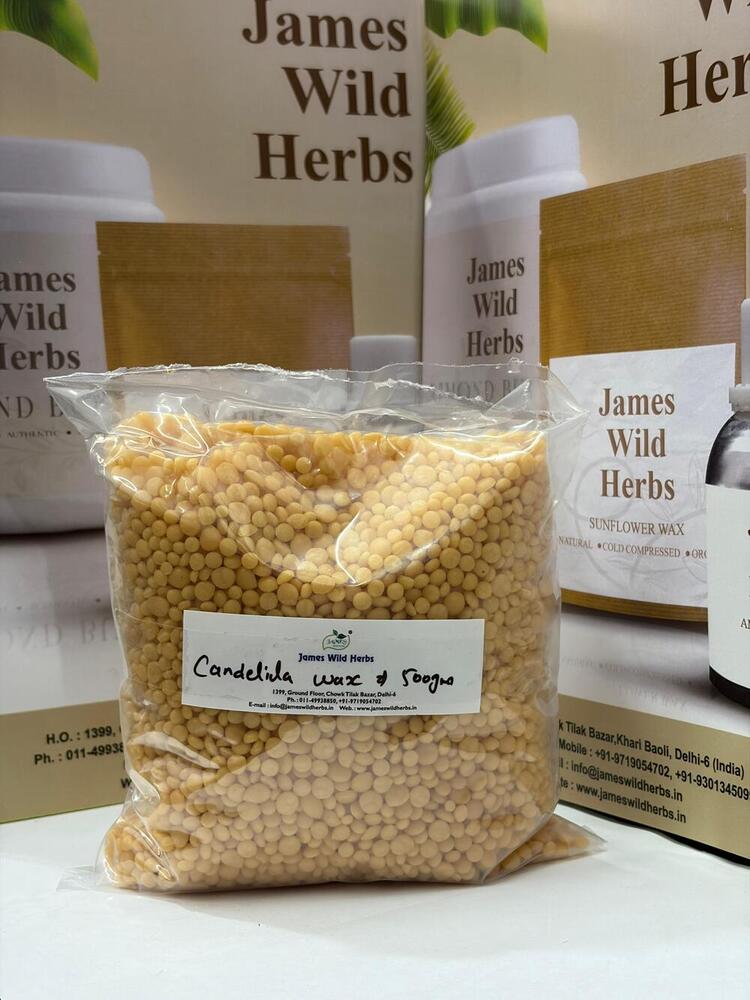
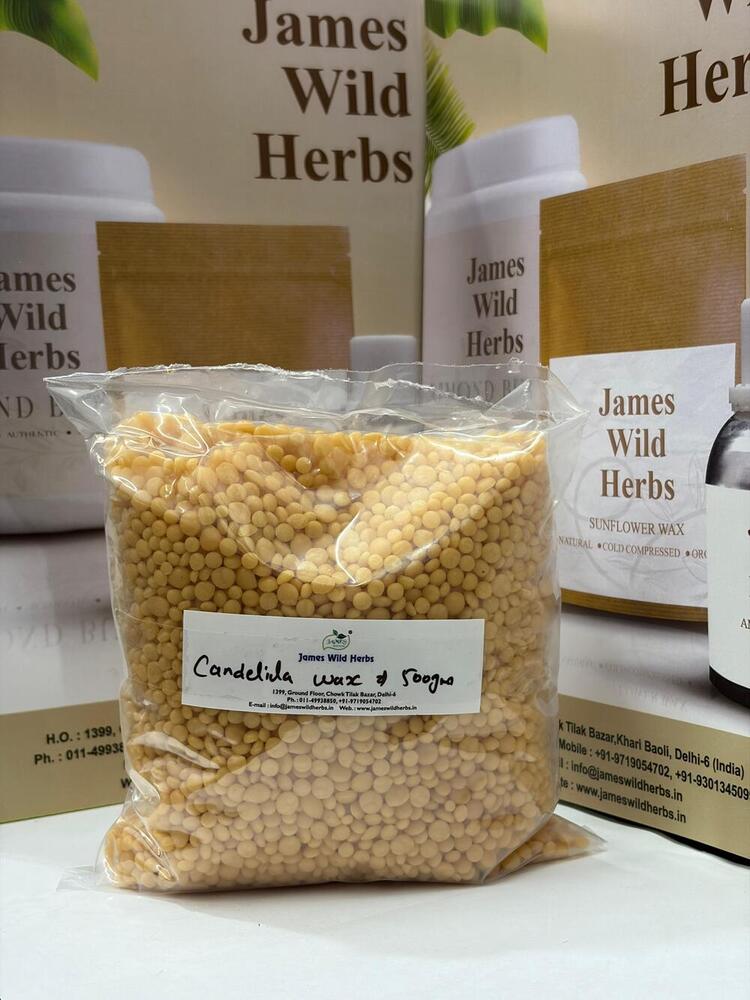
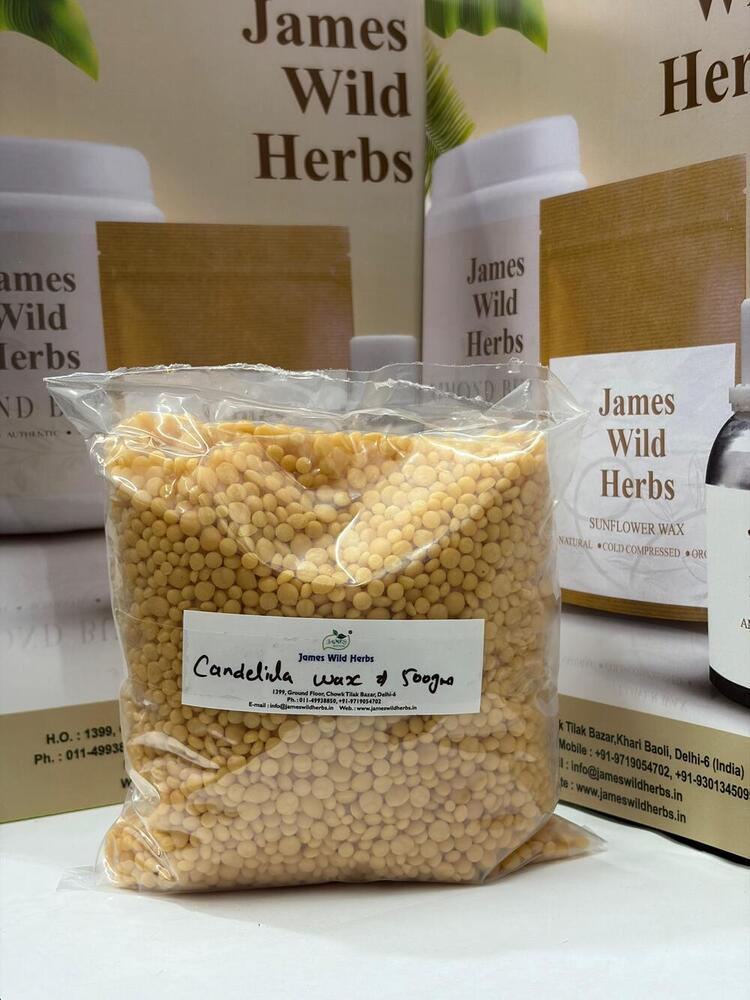
Candillila Wax
Price 2200.0 INR/ Kilograms
MOQ : 1 Kilograms
Candillila Wax Specification
- Acidity
- Acid value: 12-24 mg KOH/g
- Shape
- Flakes, Lumps, Granules
- Impurity (%)
- 1
- Melting Point
- 67-73C (153-164F)
- Usage & Applications
- Used as a thickening agent, film-forming agent, glazing agent in cosmetics and food
- Product Type
- cosmetic grade
- Grade
- Technical, Food, and Cosmetic Grade
- Weight
- cally 25kg bags Kilograms (kg)
- Smell
- Characteristic, Mild
- Chemical Name
- candallila wax
- Other Names
- Euphorbia cerifera wax
- CAS No
- 8006-44-8
- Color
- Yellow
- Form
- Wax
- Application
- Cosmetics, Food, Pharmaceuticals, Polishes, Coatings
- Refractive Index
- 1.450-1.485 (at 75C)
- Solubility
- Insoluble in water, soluble in organic solvents
- Shelf Life
- 2 years under proper storage
- Storage Conditions
- Keep in a cool, dry place, away from direct sunlight and moisture
- Peroxide Value
- <10 meq/kg
- Saponification Value
- 43-65 KOH mg/g
Candillila Wax Trade Information
- Minimum Order Quantity
- 1 Kilograms
- Supply Ability
- 1000 Kilograms Per Month
- Delivery Time
- 1 Days
About Candillila Wax
Here are cosmetic-grade Candelilla Wax options and information about the material you might use for DIY cosmetics (lip balms, lipsticks, creams, lotions, etc.):Best Cosmetic / Formulation Options
-
Cosmetic Grade Candelilla Wax (Trckem) specifically labeled cosmetic grade, good for lip balms, lipsticks, creams, lotions, eye make-up, deodorants, etc.
-
Candelilla Wax 100g smaller pack ideal for trial batches or small DIY projects.
-
Candelilla Wax Pellets (Cosmetic & Candle Grade) pellet form easier to weigh and melt.
-
Candelilla Wax (BRM Chemicals) another good cosmetic-grade supplier option.
-
Candelilla Wax Online (VedaOils) high rated plant-based wax.
Versatile Natural Plant Wax
Candelilla wax is sourced from the Euphorbia cerifera shrub and is renowned for its natural origin and broad applicability. Its characteristic yellow coloration and mild scent make it suitable for use in a variety of industries including cosmetics, food, and pharmaceuticals, where a natural, plant-derived wax is preferred.
Key Technical Specifications
With a saponification value of 43-65 KOH mg/g, acid value between 12-24 mg KOH/g, and peroxide value below 10 meq/kg, Candelilla wax delivers consistent performance in numerous formulations. Its refractive index of 1.450-1.485 at 75C and melting point range of 67-73C make it highly stable under processing conditions.
Applications and Functional Benefits
Candelilla wax excels as a thickening, glazing, and film-forming agent, contributing to improved texture, gloss, and protection in finished products. It is frequently utilized in personal care items, foods, medicines, polishes, and coatings, providing plant-based functionality and superior shelf stability.
FAQ's of Candillila Wax:
Q: How can Candelilla wax be incorporated into products?
A: Candelilla wax is best incorporated by melting it and blending it with other ingredients, as it dissolves in organic solvents but not in water. Its melting point is between 67-73C, making it suitable for use in manufacturing cosmetics, food products, and coatings where a stable, film-forming agent is required.Q: What are the primary uses of Candelilla wax?
A: Candelilla wax is widely used as a thickening and glazing agent in cosmetics, food, and pharmaceuticals. It adds texture and stability to products such as lip balms, creams, candies, and tablet coatings, and also serves to enhance gloss and create a protective layer in polishes and surface coatings.Q: Where should Candelilla wax be stored to ensure maximum shelf life?
A: To preserve its quality and extend its shelf life to up to 2 years, Candelilla wax should be kept in a cool, dry place, protected from direct sunlight and moisture. Proper storage conditions prevent degradation and maintain the wax's characteristic properties.Q: When is Candelilla wax preferred over other natural waxes?
A: Candelilla wax is chosen over alternatives like beeswax when a harder, vegan or plant-based wax is necessary, especially in formulations that require a glossy finish, lower melting point, or specific cosmetic, food, or technical performance requirements.Q: What benefits does Candelilla wax provide in product formulations?
A: Candelilla wax enhances product stability, creates a smooth, glossy appearance, and improves water resistance in finished goods. Additionally, it is recognized for being a natural, plant-based alternative, catering to various eco-friendly and vegan product specifications.Q: How is the quality of Candelilla wax ensured?
A: Quality is ensured through technical specifications such as impurity content below 1%, acid and saponification values, low peroxide value, and consistent color and form. Reliable manufacturers and suppliers meet industry standards for food, cosmetic, and technical grades.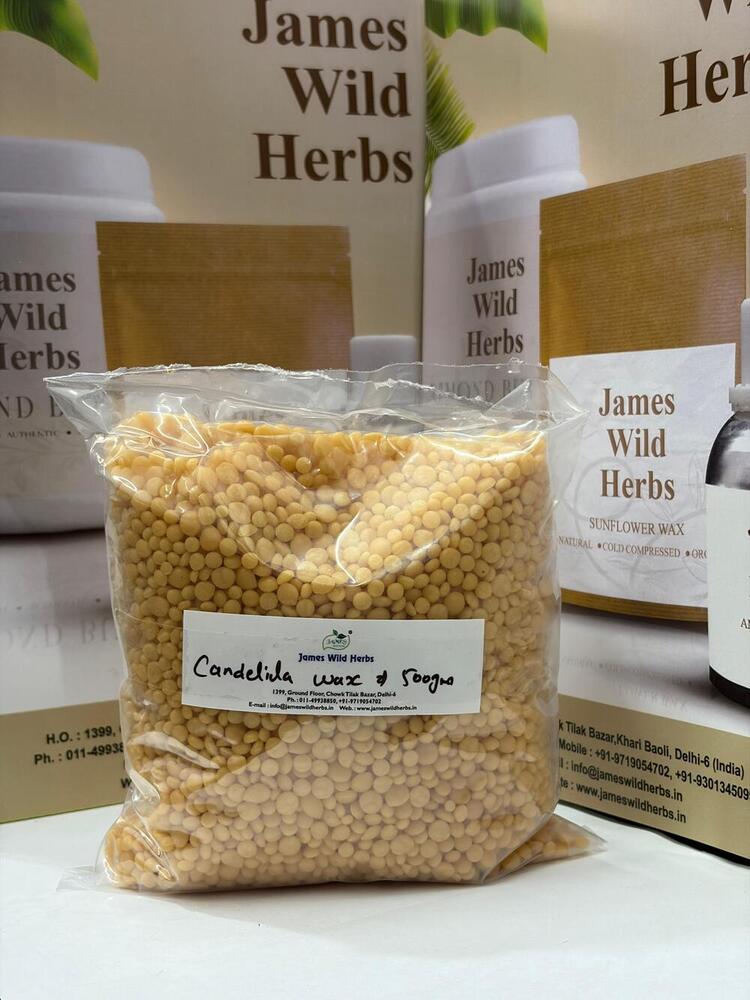
Tell us about your requirement

Price:
Quantity
Select Unit
- 50
- 100
- 200
- 250
- 500
- 1000+
Additional detail
Mobile number
Email

More Products in Natural Wax Category
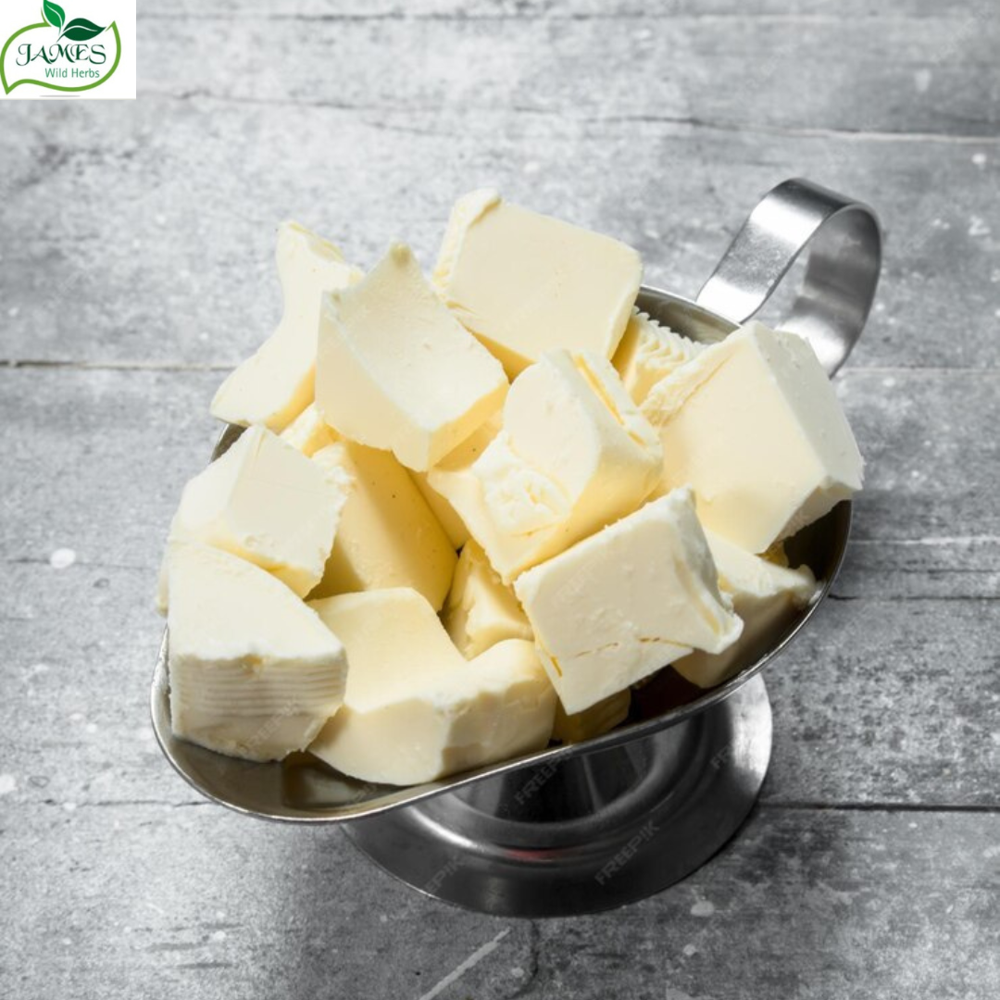
Soya Wax (Candel G)
Price 280.0 INR / Kilograms
Minimum Order Quantity : 1 Kilograms
Usage & Applications : Cosmetic
Grade : COSMETIC GRADE
Form : Wax
Application : Cosmetic
Carnauba Wax
Price 1650.0 INR / Kilograms
Minimum Order Quantity : 1 Kilograms
Usage & Applications : Cosmetic
Grade : COSMETIC GRADE
Form : Solid
Application : Cosmetic
Sunflower Wax
Price 650.0 INR / Kilograms
Minimum Order Quantity : 1 Kilograms
Usage & Applications : Cosmetic
Grade : COSMETIC GRADE
Form : Wax
Application : Cosmetic
Bees Wax Refined
Price 350.0 INR / Kilograms
Minimum Order Quantity : 1 Kilograms
Usage & Applications : Cosmetic
Grade : COSMETIC GRADE
Form : Wax
Application : Cosmetic

 Send Inquiry
Our Products
- Natural Dry Extract
- Herbal Extracts
- Cosmetic Butter
- Cold Press Oil
- Fragrances
- Natural Clay
- Dry Flowers Petals
- Natural Oil
- Cosmetic Oil
- Floral Waters
- Herbal Dry Extracts
- Hydrolyzed Protein
- Cosmetic Salts
- Natural Soap Base
- Plant Derivate Chemicals
- Natural Wax
- Dry Herbs
- Herbal Powder
- cold press oil
- herbal powder
- liquid colour
- soap base
- mica powder
- natural bases
- natural vitamin


1399, Ground Floor, Chowk Tilak Bazar,Delhi - 110006, India

Mr A. K. SHARMA
(Proprietor)
Mobile :08045800786
 Send Inquiry
 Send SMS
Developed and Managed by Infocom Network Private Limited.


