Call us now :08045800786
 Send Inquiry
 Send Inquiry
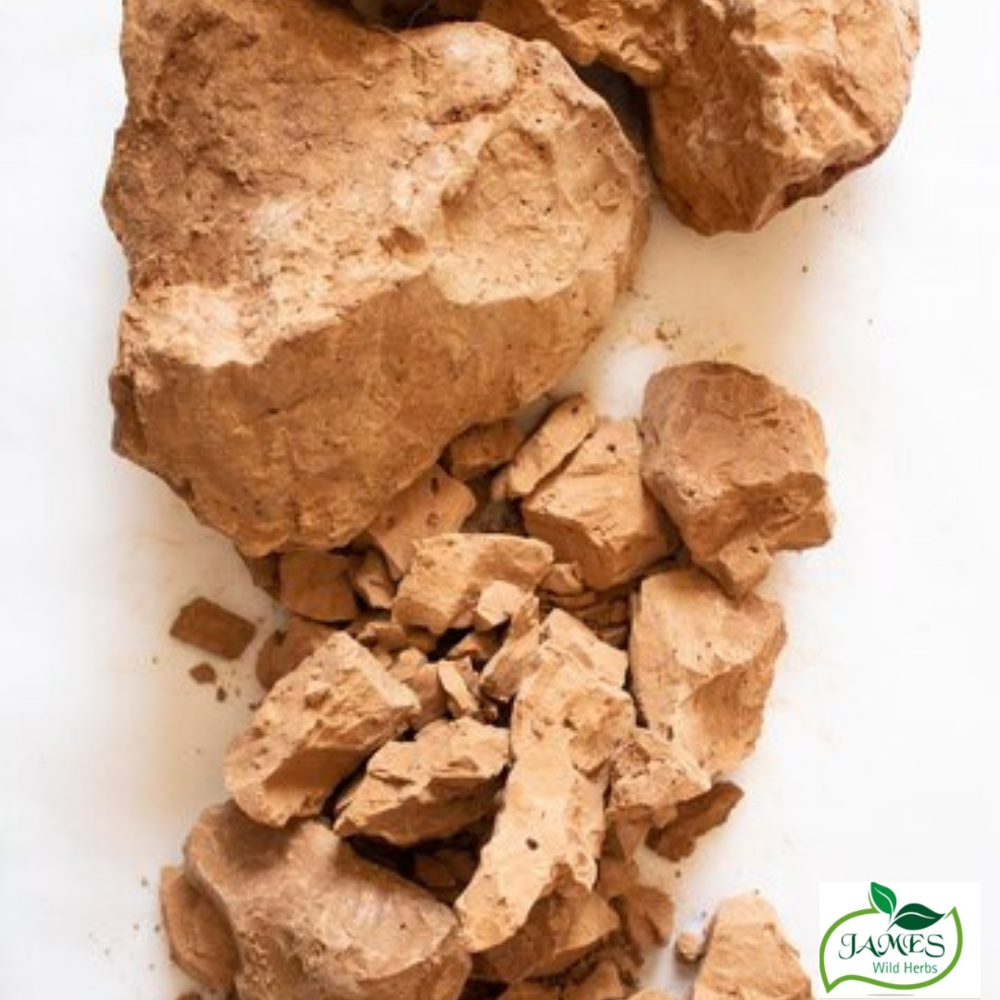
Boulder Clay
Price 1600.0 INR/ Kilograms
MOQ : 50 Kilograms
Boulder Clay Specification
- Shape
- Granule
- Dimensional Stability
- Irreversible
- Color
- Brown
Boulder Clay Trade Information
- Minimum Order Quantity
- 50 Kilograms
- Payment Terms
- Cash in Advance (CID)
- Supply Ability
- 1 Kilograms Per Day
- Delivery Time
- 7 Week
- Sample Available
- No
- Sample Policy
- If order is confirmed we will reimburse the sample cost
- Packaging Details
- 50 kg
- Main Export Market(s)
- Asia, Australia, Central America, North America, South America, Eastern Europe, Western Europe, Middle East, Africa
- Main Domestic Market
- All India
About Boulder Clay
Boulder clay, also known as till, is a type of glacial deposit composed of a mixture of clay, silt, sand, pebbles, and boulders. Formed during the Pleistocene epoch, it is commonly found in regions previously covered by glaciers.
In the cosmetic industry, various types of natural clays, such as bentonite, kaolin, and French green clay, are utilized for their beneficial properties. These clays are known for their ability to absorb toxins and impurities from the skin, making them popular ingredients in face masks and other skincare products. For instance, a detox face mask may contain green French clay, kaolin clay, and activated charcoal to help cleanse oily and acne-prone skin.
While boulder clay itself is not typically used in cosmetics, other natural clays derived from geological formations are valued for their skin benefits. These clays are rich in minerals and have been used for centuries in various cultures for their healing and cosmetic properties.
Its important to note that the term "boulder clay" is more commonly associated with geological contexts rather than cosmetic applications. However, the broader category of natural clays, including those formed from glacial deposits, plays a significant role in skincare formulations.
Superior Dimensional Stability
This boulder clay stands out due to its irreversible dimensional stability, meaning it maintains its form even under environmental stress or pressure. Such reliability is crucial in industries where material deformation can compromise structural integrity. The granule shape further supports uniform blending and application, ensuring consistent performance across a wide range of uses.
Extensive Supply Network in India
Sourced and distributed by an established network of dealers, wholesalers, exporters, and manufacturers in India, boulder clay is easily accessible to both large-scale enterprises and independent fabricators. This broad availability guarantees prompt delivery and sustained supply, enabling continuous production without operational delays.
FAQs of Boulder Clay:
Q: How is the dimensional stability of this boulder clay beneficial for construction projects?
A: The clays dimensional stability ensures that it retains its original shape and size even when exposed to varying temperatures or pressures, reducing the risk of structural deformation in finished products.Q: What makes this boulder clay irreversible and suited for industrial use?
A: Its irreversible nature refers to the clays ability to maintain its physical properties without reverting to a previous state, making it ideal for applications requiring permanent structural support and reliability.Q: When is the best stage to incorporate brown boulder clay granules into fabrication processes?
A: Its most effective to add the granules during the initial mixing or foundation stages, ensuring even distribution and optimal performance throughout the product or structure.Q: Where can buyers in India source boulder clay with dimensional stability?
A: This specific clay variety is available from numerous suppliers, dealers, exporters, and manufacturers throughout India, catering to both bulk and smaller order requirements.Q: What processes are involved in preparing boulder clay for end-use applications?
A: The granule form typically requires no further grinding, allowing for immediate use in blending, molding, or structural reinforcement based on project needs.Q: How can this brown granule-shaped boulder clay be used in manufacturing?
A: The clay can be incorporated into composite materials, used as a stabilizing agent in concrete, or blended into ceramics, enhancing the durability and integrity of the final products.Q: What are the main benefits of choosing boulder clay from reputable Indian distributors?
A: Reputable suppliers ensure product consistency, reliable delivery, and adherence to industry standards, maximizing the materials effectiveness and the success of your projects.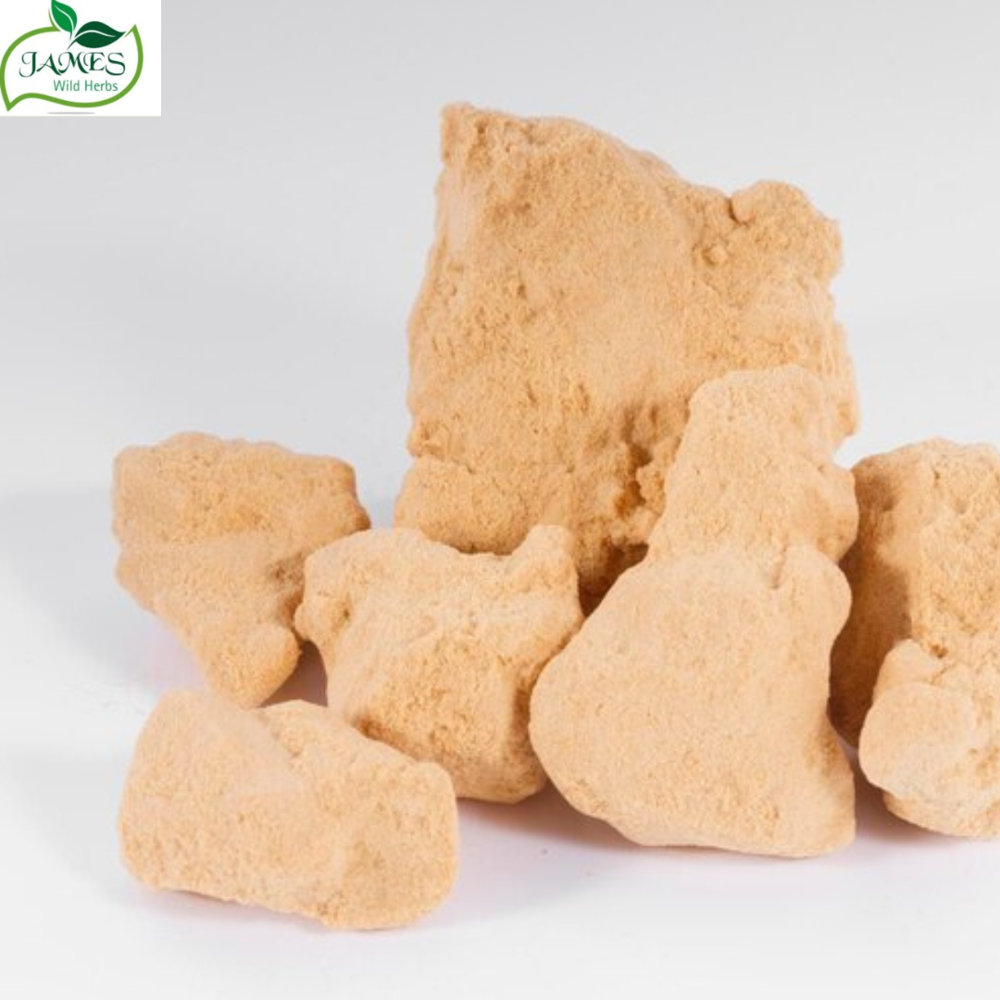
Tell us about your requirement

Price:
Quantity
Select Unit
- 50
- 100
- 200
- 250
- 500
- 1000+
Additional detail
Mobile number
Email

More Products in Natural Clay Category
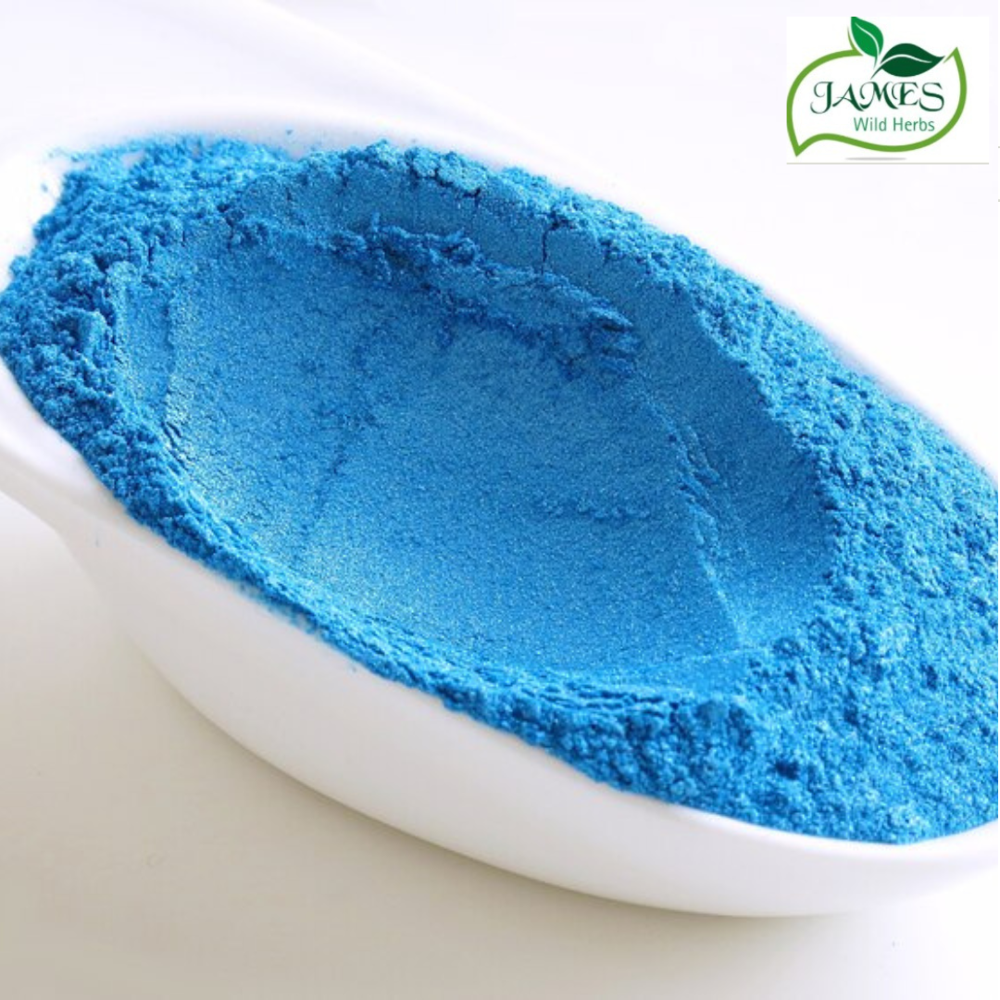
Brazilian Bule Clay
Price 2200.0 INR / Kilograms
Minimum Order Quantity : 50 Kilograms
Product Type : Other, Brazilian Bule Clay
Color : Blue
Shape : Other, Granules / Powder
Application : Industrial, Cosmetics, Pottery, Skincare
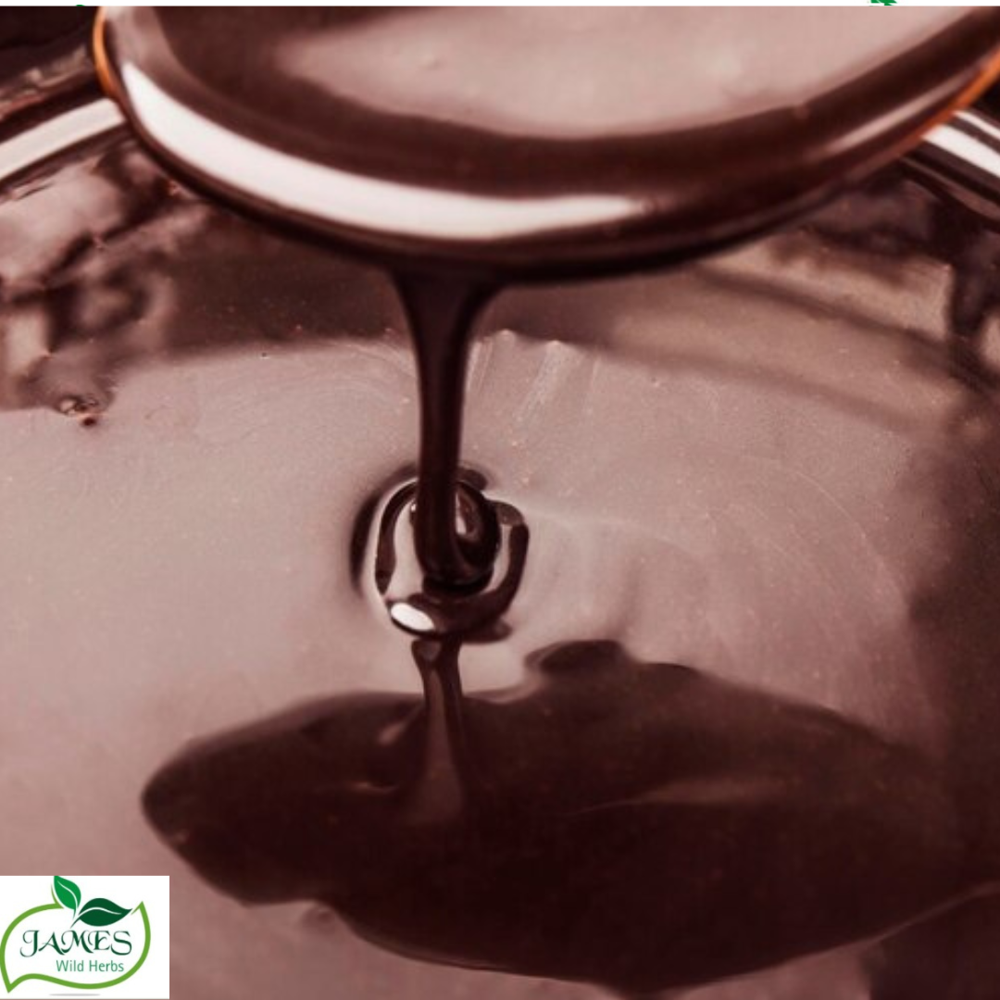
Natural Chocolate Clay
Price 1200.0 INR / Kilograms
Minimum Order Quantity : 50 Kilograms
Product Type : Other, Natural Clay
Color : Chocolate Brown
Shape : Other, Lumps or Powder
Application : Foundry, Ceramics, Tiles manufacturing, Glass, Refractories
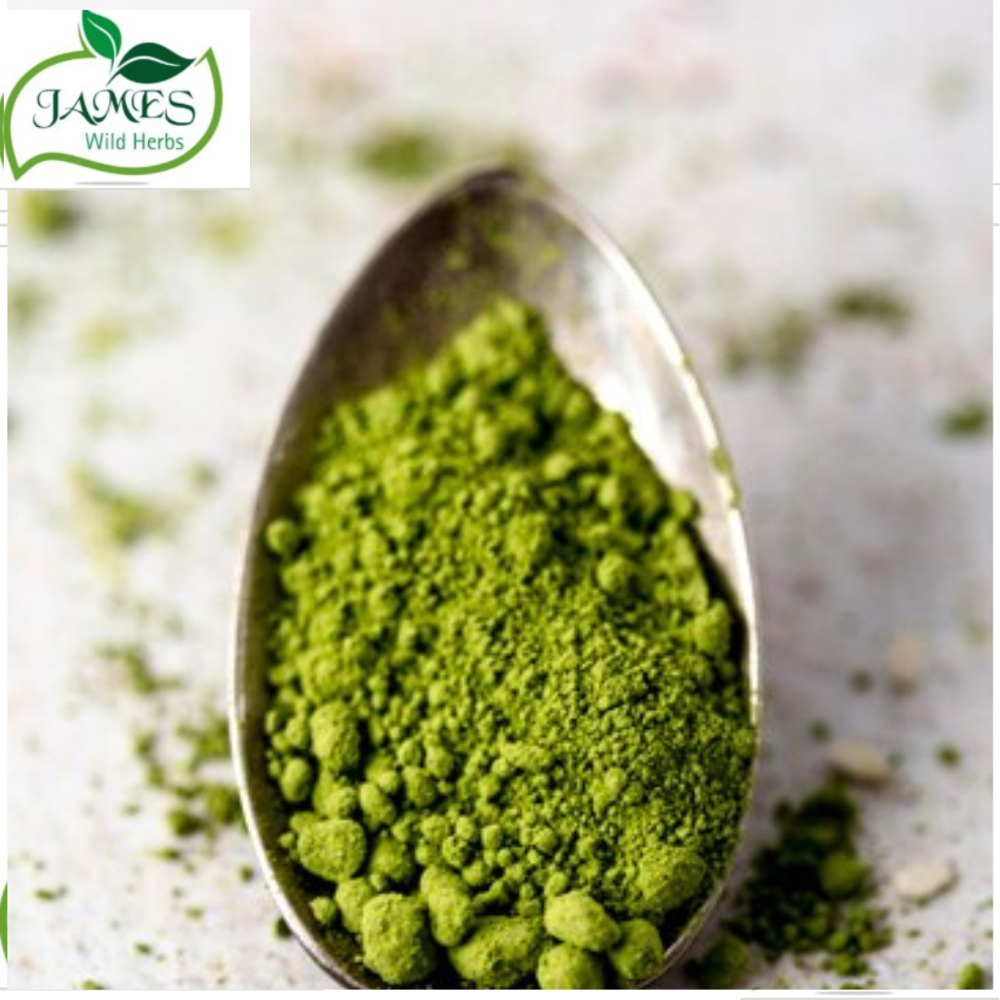
French Green Clay
Price 1400.0 INR / Kilograms
Minimum Order Quantity : 50 Kilograms
Product Type : Other, Natural Clay
Color : Green
Shape : Powder
Application : Cosmetics, Spa treatments, Skin care preparations, Soap making
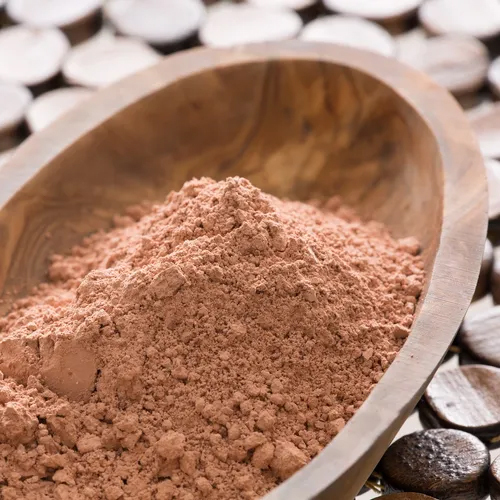
French Pink Clay Powder
Price 1150.0 INR / Kilograms
Minimum Order Quantity : 1 Kilograms
Product Type : Minerals
Color : Pink
Shape : Powder
Application : Industrial

 Send Inquiry
Our Products
- Natural Dry Extract
- Herbal Extracts
- Cosmetic Butter
- Cold Press Oil
- Fragrances
- Natural Clay
- Dry Flowers Petals
- Natural Oil
- Cosmetic Oil
- Floral Waters
- Herbal Dry Extracts
- Hydrolyzed Protein
- Cosmetic Salts
- Natural Soap Base
- Plant Derivate Chemicals
- Natural Wax
- Dry Herbs
- Herbal Powder
- cold press oil
- herbal powder
- liquid colour
- soap base
- mica powder
- natural bases
- natural vitamin


1399, Ground Floor, Chowk Tilak Bazar,Delhi - 110006, India

Mr A. K. SHARMA
(Proprietor)
Mobile :08045800786
 Send Inquiry
 Send SMS
 Call Me Free
Developed and Managed by Infocom Network Private Limited.


