Call us now :08045800786
 Send Inquiry
 Send Inquiry
Australian Red Clay
Price 950.0 INR/ Kilograms
MOQ : 50 Kilograms
Australian Red Clay Specification
- Hardness (%)
- 68
- Density
- 2.5 Gram per cubic centimeter(g/cm3)
- Melting Point
- 1350 °C
- Application
- Industrial
- Purity(%)
- 98
- Chemical Composition
- Al2O3, Fe2O3, SiO2
- Surface Finish
- Fine
- Form
- Powder
- Water Absorption
- Low
- Usage & Applications
- Ceramics, Refractories, Pottery, Cosmetic applications
- Product Type
- Clay
- Types of Refractories
- Fire Clay Refractories
- Shape
- Powder
- Porosity
- Controlled
- Dimensional Stability
- Stable
- Strength
- Good
- Specific Gravity
- 2.51 g/cm³
- Thermal Conductivity
- Low
- Color
- Red
- Grain Size
- 100-200 mesh
- pH Value
- 6-7
- Moisture Content
- Less than 1%
- Storage Conditions
- Store in cool, dry place
- Shelf Life
- 2 Years
- Pack Size
- 25 kg bags
Australian Red Clay Trade Information
- Minimum Order Quantity
- 50 Kilograms
- Payment Terms
- Cash in Advance (CID)
- Supply Ability
- 1 Kilograms Per Day
- Delivery Time
- 7 Week
- Sample Available
- No
- Sample Policy
- If order is confirmed we will reimburse the sample cost
- Packaging Details
- 50 kg
- Main Export Market(s)
- Middle East, Africa, Asia, Australia, Central America, North America, South America, Eastern Europe, Western Europe
- Main Domestic Market
- All India
About Australian Red Clay
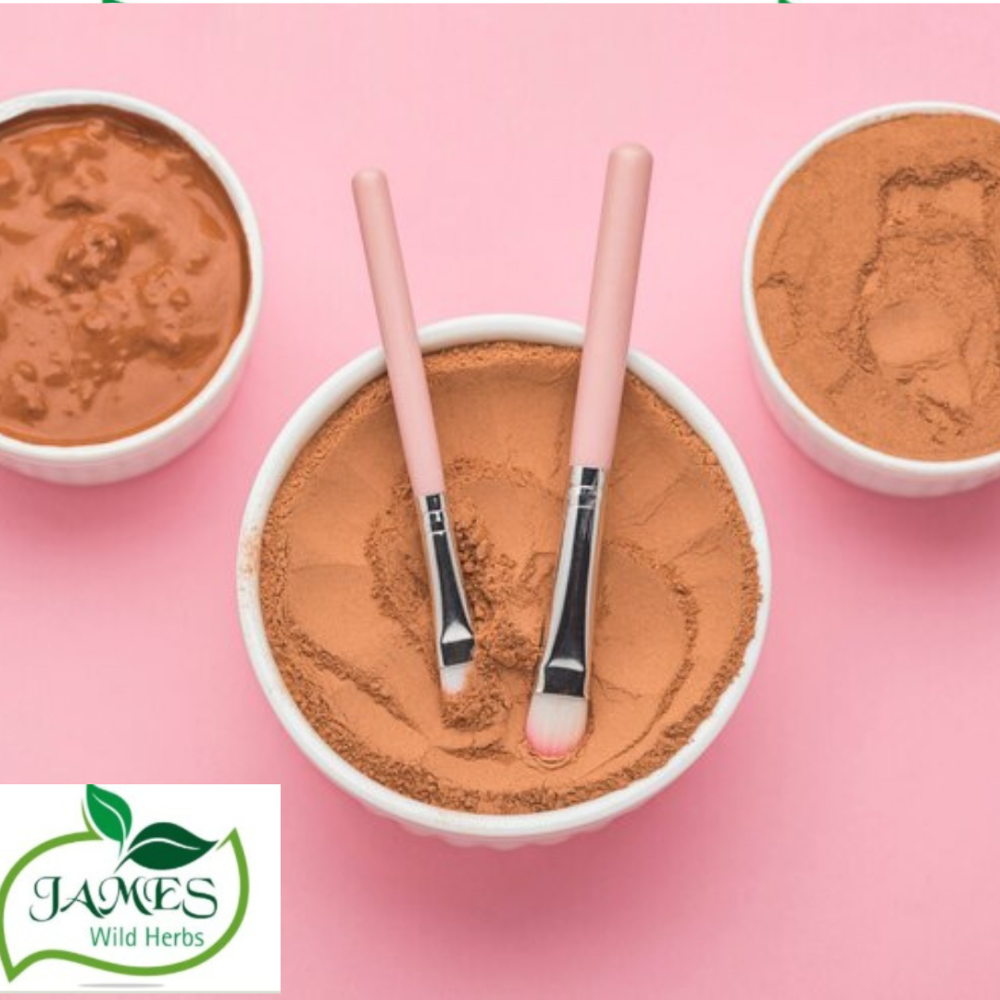
Australian Red Clay is a popular ingredient in cosmetics due to its rich mineral content and skin benefits. Its derived from the earth in Australia and is known for its vibrant red color, which comes from its high iron oxide content. Its often used in skincare products like face masks, cleansers, and exfoliants. Here are some of the benefits of Australian Red Clay in cosmetics:
- Detoxifying: It helps to remove impurities and toxins from the skin, promoting a clearer complexion.
- Exfoliating: It has gentle abrasive properties that help to scrub away dead skin cells and reveal smoother, brighter skin.
- Rich in minerals: Australian Red Clay is full of minerals like iron, magnesium, and calcium that nourish and hydrate the skin.
- Anti-inflammatory: The clay can help soothe irritated or sensitive skin, reducing redness and inflammation.
- Improves skin elasticity: Regular use can promote firmer and more youthful-looking skin by improving skin tone and texture.
- Absorbs excess oil: Its ideal for those with oily or acne-prone skin, as it helps to balance oil production.
Consistent Quality and Reliable Strength
Each batch of Australian Red Clay guarantees stable thermal and mechanical performance, making it suitable for demanding industrial settings. Its high hardness (68%) and fine powder form provide predictable results for manufacturers and end-users alike. The controlled porosity and low thermal conductivity deliver benefits in refractory and ceramic production, ensuring enduring outputs.
Versatile Applications in Multiple Industries
From ceramics and pottery to advanced fire clay refractories and cosmetic applications, this clay adapts to varied industrial processes. Its specific chemical composition provides the advantages needed in contexts where purity and dimensional stability are critical. Whether you're fabricating, exporting, or using this clay in consumer or industrial contexts, performance and finish are assured.
FAQ's of Australian Red Clay:
Q: How should Australian Red Clay be stored for optimal shelf life?
A: For best results, Australian Red Clay should be stored in a cool, dry place. Proper storage ensures its 2-year shelf life and prevents moisture absorption or degradation of quality.Q: What is the process for using Australian Red Clay in ceramics and refractories?
A: To utilize Australian Red Clay in ceramics and refractories, the powder is typically mixed with other materials depending on product specifications, shaped, and then fired at high temperatures. Its fine grain (100-200 mesh) aids smooth blending and consistent surface finish.Q: When is Australian Red Clay preferred over other clays for industrial use?
A: Australian Red Clay is chosen when high purity (98%), low moisture, good strength, and dimensional stability are needed. It is especially preferred for refractory linings, ceramics, and pottery requiring low porosity and a fine surface finish.Q: What are the benefits of its chemical composition and low porosity?
A: The combination of Al2O3, Fe2O3, and SiO2 ensures reliable heat and mechanical resistance, while controlled porosity limits water absorption. These properties are essential for refractory products subjected to high heat and for items requiring specific strength and stability.Q: Where can Australian Red Clay be sourced in India?
A: Australian Red Clay is available through numerous dealers, distributors, exporters, manufacturers, suppliers, and wholesalers across India. It is widely accessible for both end-users and business-to-business transactions.Q: How does the low moisture content of less than 1% benefit industrial processing?
A: A moisture content below 1% minimizes the risk of clumping and facilitates easy handling and mixing. This is crucial for consistent processing and maintaining quality in ceramic and refractory manufacturing.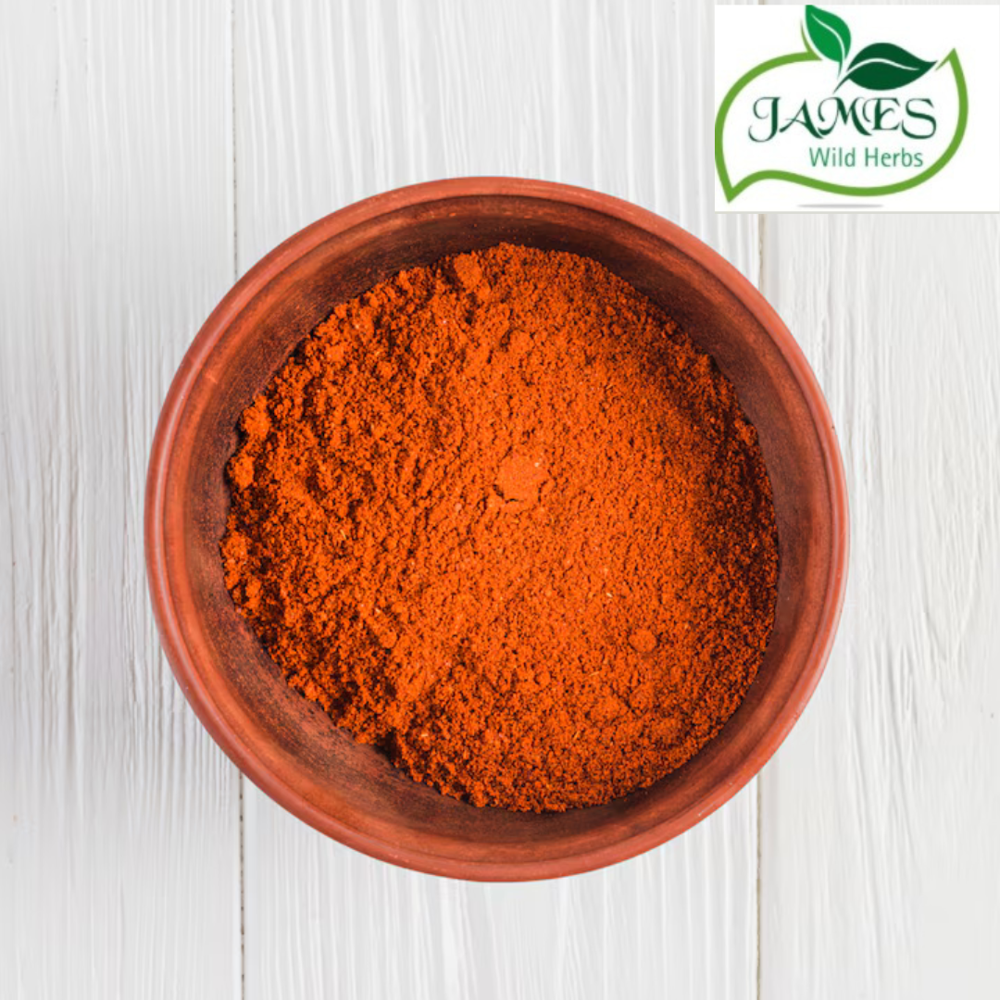
Tell us about your requirement

Price:
Quantity
Select Unit
- 50
- 100
- 200
- 250
- 500
- 1000+
Additional detail
Mobile number
Email

More Products in Natural Clay Category
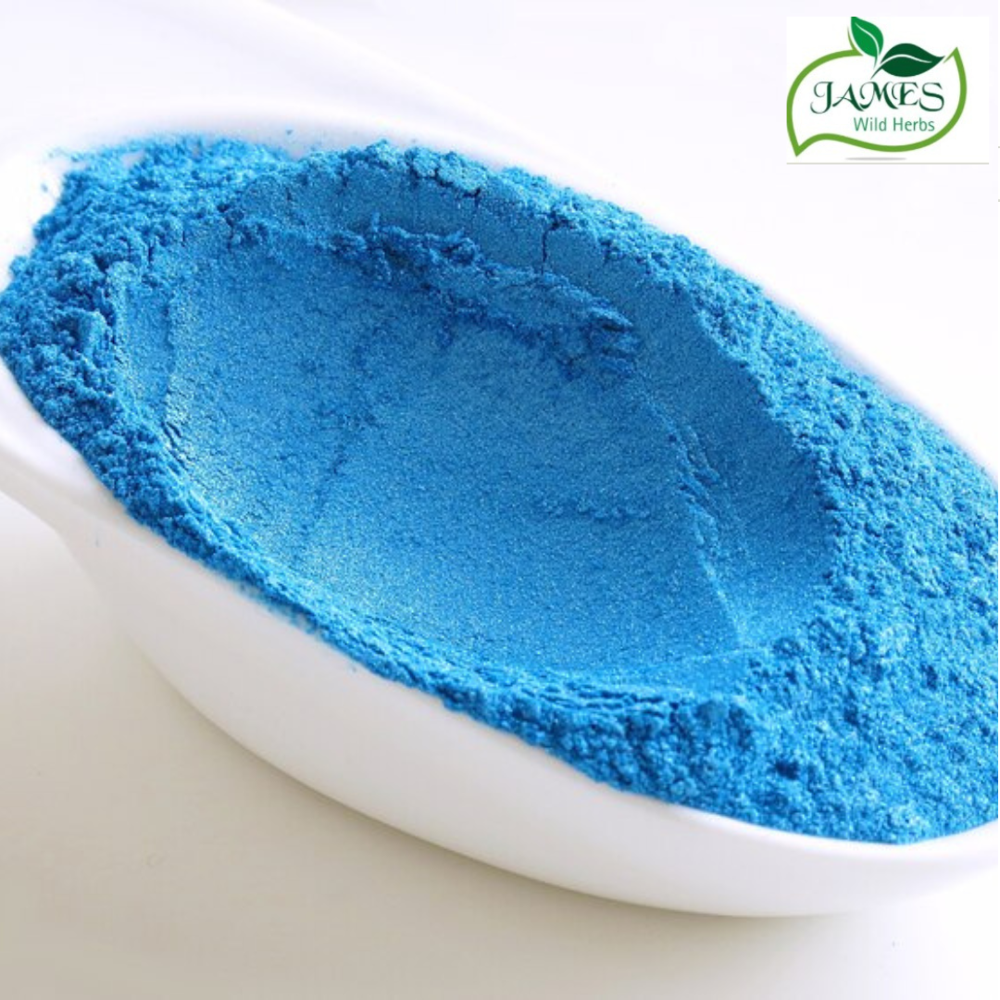
Brazilian Bule Clay
Price 2200.0 INR / Kilograms
Minimum Order Quantity : 50 Kilograms
Color : Blue
Shape : Other, Granules / Powder
Form : Powder / Lumps
Product Type : Other, Brazilian Bule Clay
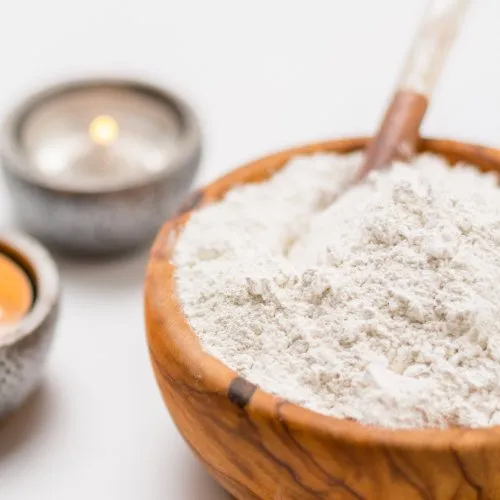
Kaolin Clay
Price 160 INR / Kilograms
Minimum Order Quantity : 1 Kilograms
Color : White
Shape : Powder
Form : Powder
Product Type : Minerals
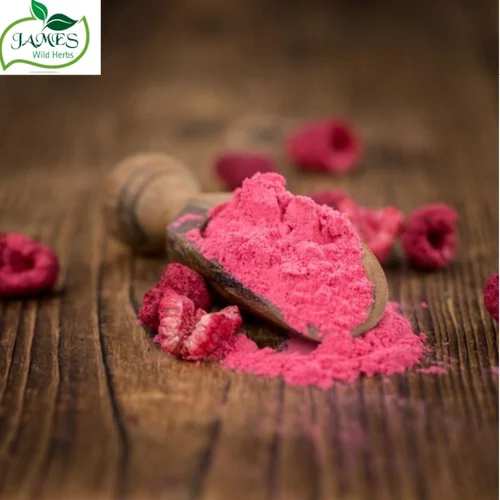
French Pink Clay
Price 1150 INR / Kilograms
Minimum Order Quantity : 1 Kilograms
Color : Pink
Shape : Powder
Form : Powder
Product Type : Minerals
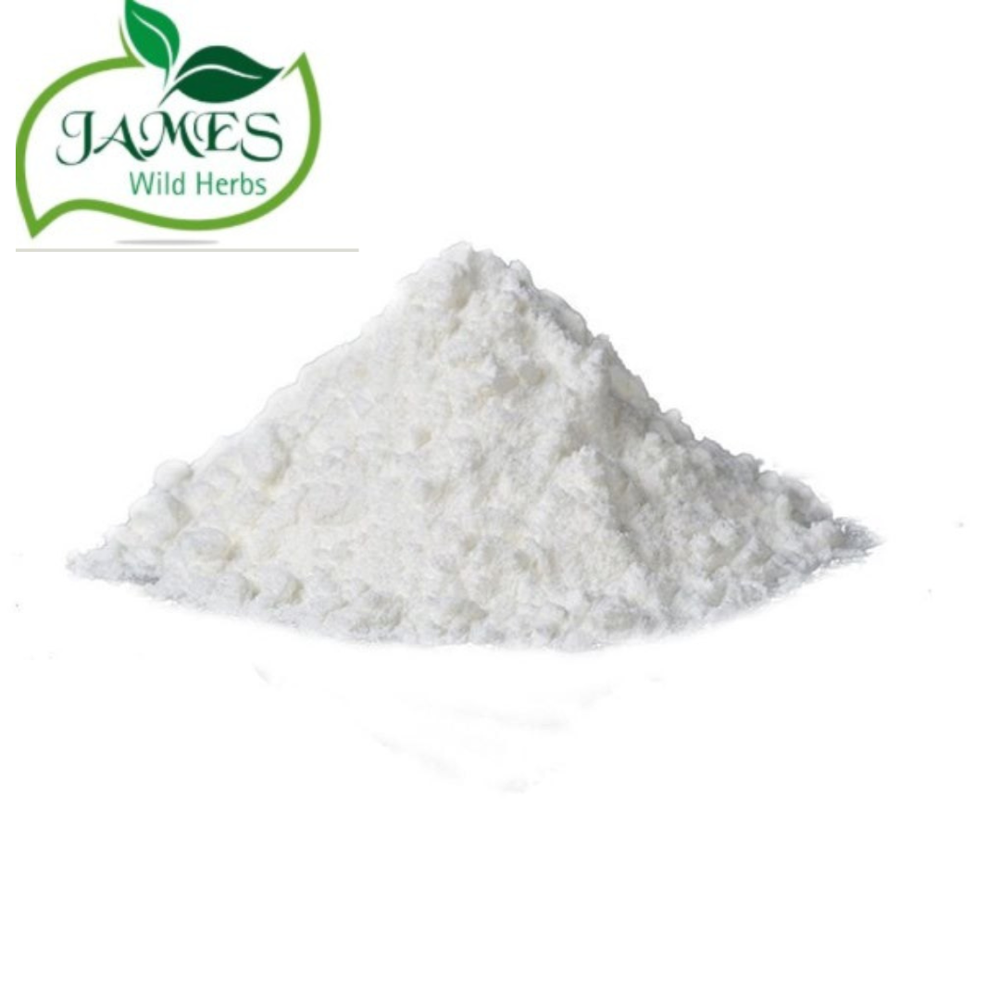
Kaolin Clay
Price 160.00 INR / Kilograms
Minimum Order Quantity : 1 Kilograms
Color : White
Shape : Powder
Product Type : Mineral Refractories

 Send Inquiry
Our Products
- Natural Dry Extract
- Herbal Extracts
- Cosmetic Butter
- Cold Press Oil
- Fragrances
- Natural Clay
- Dry Flowers Petals
- Natural Oil
- Cosmetic Oil
- Floral Waters
- Herbal Dry Extracts
- Hydrolyzed Protein
- Cosmetic Salts
- Natural Soap Base
- Plant Derivate Chemicals
- Natural Wax
- Dry Herbs
- Herbal Powder
- cold press oil
- herbal powder
- liquid colour
- soap base
- mica powder
- natural bases
- natural vitamin


1399, Ground Floor, Chowk Tilak Bazar,Delhi - 110006, India

Mr A. K. SHARMA
(Proprietor)
Mobile :08045800786
 Send Inquiry
 Send SMS
 Call Me Free
Developed and Managed by Infocom Network Private Limited.


